
Which Are The 5 Best Local Living Tours In Ranikhet: An Overview
Nov 15, 2023

Birmingham, Alabama's Best Tourist Spots and Activities
Oct 10, 2023

The Allure of Karjat Camping
Nov 15, 2023
How do doctors treat airplane ear
Oct 05, 2023 By Sean William
Are you dreading flying with your little one? Do their eardrums painful pop on takeoff and landing, leaving them screaming and inconsolable? Don't worry – we've got the inside scoop from our panel of doctors on ensuring those ears are still smiling when the plane touches down.
Learn all about what experts suggest for caring parents in this post that has all the strategies you need to relieve any pain caused during air travel. Read on for a comprehensive step-by-step guide!
20 Ways To Soothe A Kid's Ears On A Plane, According To Doctors
1.Use Tylenol or ibuprofen
Once your child is two, you can give them safe medications like ibuprofen or Tylenol to reduce ear pain during a flight. It should be taken 30 minutes before the plane takes off and landing to help reduce any inflammation that causes ear pain.
2. Give your little one something sugary
Give your kid a lollipop or a piece of hard candy while taking off and during landing to distract them and keep their mouth busy. This will stimulate saliva production, which helps equalize pressure between the inside and outside of the eustachian tubes.
3. Encourage swallowing or yawning
Encouraging your child to swallow frequently can also help reduce the build-up of pressure in their middle ear. You can also have your little one yawn, as it is a natural reflex that helps open the eustachian tubes and release some of the pressure built up in the ears.
4. Offer chewing gum
Chewing gum increases saliva production, like sucking on candy, and helps reduce the discomfort caused by changing air pressure on takeoff and landing.
5. Let them sip on a drink during take-off or descent
Letting your child sip on a cold beverage such as water or milk during takeoff and descent will help keep their ears wet, thus reducing feelings of pain in the ears due to air pressure changes.
6. Give them something to squeeze or put gentle pressure on their ears
Give your child something soft to squeeze, like a stress ball or pillow. This can help relieve some of the pressure in their eustachian tubes and make them more comfortable during air travel.
7. Use an oral decongestant
If you are expecting a long flight, consider giving your little one an over-the-counter oral decongestant so their eustachian tubes don't become congested and cause pain. Consult with your doctor before using any medication for your child.
8. Try using earplugs or noise-canceling headphones
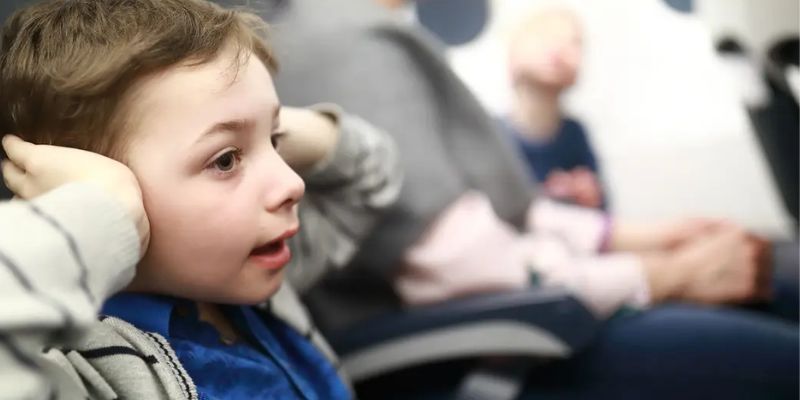
Earplugs or noise-canceling headphones can help reduce the amount of loud noises coming in and out of your child's ears on a plane. This can help reduce their discomfort during takeoff and landing and keep them occupied throughout the flight.
9. Use saline nasal drops or sprays
Saline nasal drops or sprays help relieve any congestion in your child's nose that might be causing pain in their eustachian tubes. Ask your pediatrician what type of drops would be most suitable for your little one before using them.
10. Try pressure equalization (PE) tubes
If your child continues to experience difficulty with air travel, consider having PE tubes implanted in their ear by an otolaryngologist. These small tubes help regulate air pressure in the eustachian tube, reducing any discomfort your child may feel during takeoff and landing.
11. Avoid sleeping or drinking alcohol on a plane
Sleeping or drinking alcohol on a plane can increase your child's risk of developing ear pain due to changes in air pressure. Avoiding these activities will help reduce their chances of experiencing this type of discomfort.
12. Try using over-the-counter ear drops and sprays
Over-the-counter ear drops and sprays can reduce inflammation or congestion that might be causing ear pain for your little one during air travel. You should consult your doctor before using any medication for your child.
13. Take off and land in a reclined position
Having your child sit in a reclined position during takeoff and landing can help reduce any air pressure-related discomfort they may experience. Make sure that the seatbelt is securely fastened throughout the journey.
14. Try using an ear patch or bandage
Applying an ear patch or bandage behind your child's ears before takeoff and descent can help prevent them from experiencing pain due to changing air pressure. This technique allows air to escape from their eustachian tubes slowly, over time, instead of all at once.
15. Use distraction techniques
Distracting your child with toys, books, or games during takeoff and landing can help reduce the pain they feel in their ears. This can also keep them from feeling restless during long flights.
16. Make sure your child is well hydrated
Ensure your child stays hydrated throughout the flight, as dehydration can cause additional discomfort in their ears due to changing air pressure. Ensure you bring plenty of water or juice for them to sip on during the journey.
17. Take a break from flying if possible
If your child continues to experience difficulty with air travel, taking a break from flying may be wise until their symptoms improve. Discuss this option with your physician if necessary.
18. Avoid eating dairy products before a flight
Dairy products can cause mucus build-up in your child's eustachian tubes, making them more prone to ear pain during takeoff and landing. Avoiding dairy products before a flight may reduce any discomfort they feel.
19. Use an age-appropriate decongestant
If your child is older than one year, consider giving them a safe decongestant before taking off or landing to reduce any congestion in their eustachian tubes that could be causing ear pain. Consult with your doctor before using any medication for your child.
20. Bring along items that make your kid feel comfortable
Bringing items that make your little one feel more comfortable, such as their favorite stuffed animal or blanket, can help them cope with any ear pain they might experience during air travel. Keep these items nearby and accessible throughout the journey to make it easier for your child.
These are the top strategies that doctors suggest for parents looking to reduce their little one's ear pain during air travel. With some planning and preparation, you can ensure your child is comfortable on any flight! Remember to consult your doctor before using any medication or trying any of these techniques.
FAQs
How do flight attendants deal with ear pain?
Flight attendants are trained to recognize signs of ear pain and discomfort in passengers. They can advise tackling any pain that might be experienced during the flight, such as drinking plenty of fluids or using a decongestant.
What if my child is still in pain after trying these strategies?
If your child continues to experience ear pain after trying these strategies, you should consult their doctor. They may suggest other treatments or medications to help reduce their discomfort during air travel.
Is there anything else I should do to prepare for air travel with my little one?
Yes! Ensure you bring a few items to make the journey more comfortable for your child. These may include noise-canceling headphones or earplugs, toys, books to keep them entertained during the flight, snacks, and their favorite blanket or stuffed animal.
Also, plan and book a seat near the aisle, as it will make restroom breaks easier.
Conclusion
This post has been a helpful guide for you as you prepare to fly with your little one. Always consult with your pediatrician before using any medication or trying these strategies, and ensure plenty of items on board that will keep them entertained during the flight. With the right preparation, you can ensure your child's journey is comfortable and stress-free!

Best Buy's Expanding Portfolio: Top 3 Subsidiary Companies
Feb 15, 2025
Discover Best Buy's subsidiary companies, powering beyond electronics retail. Explore their diversified portfolio today.

What Things to Do in Thailand to Spend Quality Time?
Feb 07, 2024
Learn how to best use your time on your trip. Here are all the best things to do in Thailand for the most authentic experience.

What I Learned Driving Across the American South: 7 Key Lessons
Dec 09, 2024
Learn 7 key things about Southern culture, history, and hospitality from my journey driving through the American South. Discover hidden gems and timeless traditions

How do doctors treat airplane ear
Oct 05, 2023
Experiencing stress before or during a flight can be compounded for children. Read on to learn what doctors recommend when providing relief and comfort for their ears.

15 Incredible Things to Do in Nicaragua: Your Ultimate Travel Guide
Dec 13, 2024
Discover the top 15 things to do in Nicaragua, from stunning volcano hikes to relaxing beach escapes, making your Nicaragua travel experience unforgettable
Does it matter what airport you fly into in new york?
Nov 15, 2023
Looking for the best tips and advice when navigating NYC airports? Check out this guide for expert insight into what you need to know before your next trip!

Things To See And Do In Detroit
Jan 09, 2024
Explore the vibrant city of Detroit and discover why it has become an icon in American culture. Check out our guide to this iconic city's top things to see and do.

Vacation Planning: An Art You Can Learn in 8 Easy Steps
Nov 27, 2023
Are you interested in visiting Antarctica someday? What about going to see the Machu Picchu ruins? The key to seeing as much of the world as possible on any future trip is to put in the time and effort required for preparation. Travel preparations can be challenging for the uninitiated

Discover the Best Time to Visit New Zealand
Nov 11, 2024
Wondering when to visit New Zealand? This guide explains the best seasons to explore the country, highlighting key attractions and activities for each time of year. Whether you're interested in skiing, beach trips, or hiking through national parks, discover the ideal time to experience New Zealand's diverse landscapes and vibrant culture.